

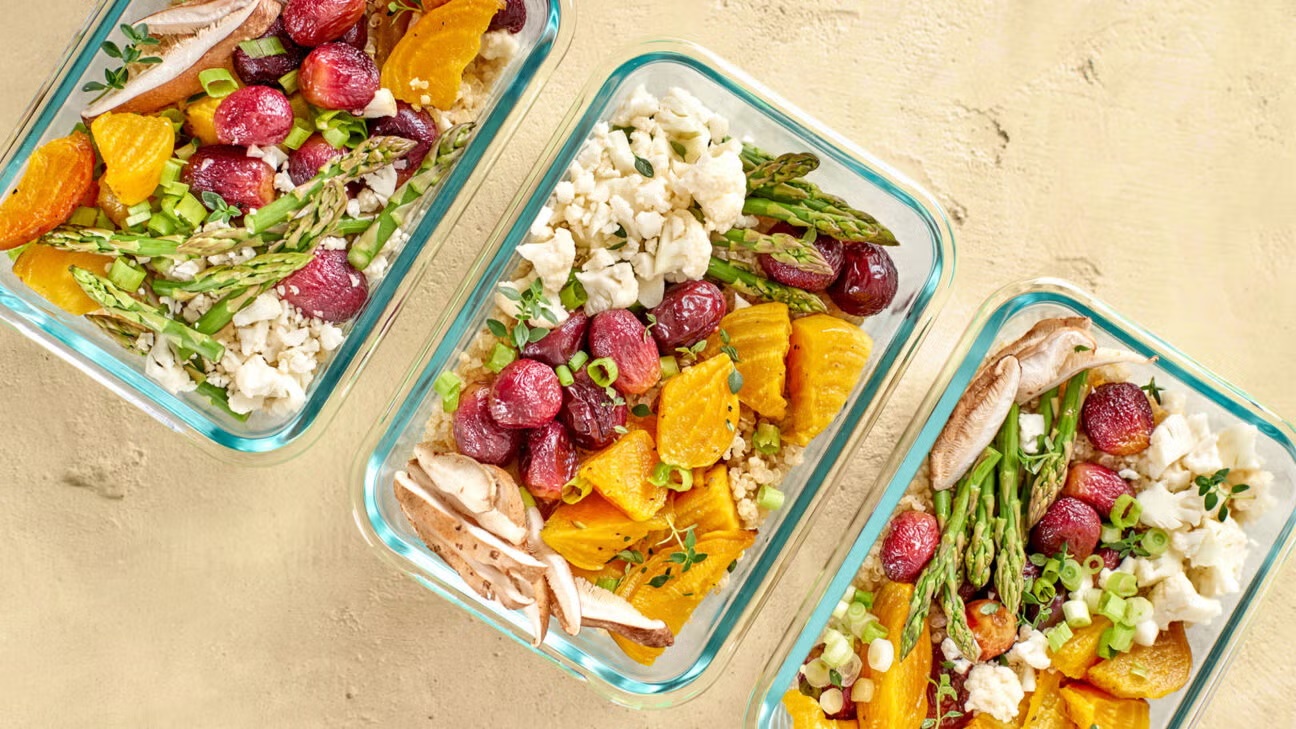
Meal prepping has become a beloved practice for busy individuals striving to maintain a healthy diet without the time-consuming challenge of cooking every day. Whether you’re a fitness enthusiast looking to fuel your body properly or simply someone seeking to streamline your week, meal prepping has the potential to transform your routine and provide a wealth of benefits. However, what many people don’t realize is that meal prepping is far more than just cooking a few dishes in bulk on a Sunday. It’s an art, a science, and a time-saving strategy that, when done thoughtfully, can significantly enhance your lifestyle. In this article, we will explore meal prepping techniques you may not have considered and the creative ways you can take your meal prep game to the next level.
1. Meal Prepping Beyond the Traditional Lunch Box
The first step in mastering meal prepping is thinking beyond the typical approach of preparing five chicken breasts, a few vegetables, and a serving of quinoa for the week. While that method is effective, it’s not always the most exciting or sustainable. To prevent meal fatigue, it’s crucial to infuse variety and flavor into your prep. One of the best ways to do this is by focusing on ingredients rather than entire meals.
Instead of committing to making five identical meals, try prepping components that you can mix and match throughout the week. Prepare proteins, grains, vegetables, sauces, and snacks in bulk, and then combine them in different ways. For instance, you could roast a large batch of chicken, quinoa, and broccoli, then use them for salads, wraps, or stir-fries later in the week. If you’re vegetarian, consider prepping beans, lentils, tofu, and roasted vegetables to build a range of meals. This gives you the freedom to enjoy a variety of dishes without needing to cook every day.
2. Embrace Batch Cooking for Freezing
One often overlooked aspect of meal prepping is batch cooking for freezing. Freezing meals in advance allows you to enjoy home-cooked food with minimal effort during particularly busy weeks. Rather than prepping just for the upcoming week, consider preparing meals that can be stored in the freezer for longer periods.
Soups, stews, chili, and casseroles are excellent candidates for freezing. Simply cook a large batch, portion them into freezer-safe containers, and store them for later use. You can also freeze grains like rice and quinoa or cooked legumes like beans, making it easier to pull out pre-cooked ingredients whenever you need them. By having a collection of frozen meals at your disposal, you reduce the temptation to rely on takeout or frozen processed foods. It’s an efficient strategy that ensures you always have healthy options on hand.
3. Don’t Forget About Snacks
When most people think of meal prepping, they focus on lunch or dinner, but snacks play a crucial role in maintaining energy levels and curbing unhealthy cravings throughout the day. Prepping snacks in advance is a game-changer, particularly if you have a tendency to reach for processed, high-sugar foods when hunger strikes.
Consider prepping a variety of healthy snacks like hummus with veggie sticks, yogurt with fruit, overnight oats, or a mix of nuts and dried fruit. Even hard-boiled eggs or roasted chickpeas make great grab-and-go options. Having nutritious snacks ready to go means that you are less likely to find yourself reaching for unhealthy alternatives out of convenience.
4. Utilize Mason Jars for Convenience
Mason jars aren’t just for preserving jams and pickles—they are a meal prep enthusiast’s best friend. These versatile jars can be used to create layered salads, overnight oats, or parfaits that are easy to grab and go. The benefit of using mason jars lies in their ability to keep ingredients fresh and organized.
When making salads, for example, layering the ingredients in a mason jar ensures that the dressing doesn’t wilt the greens. Start with the dressing at the bottom, followed by heavier ingredients like beans or grains, then finish with delicate ingredients like leafy greens or nuts at the top. When you’re ready to eat, just shake the jar, and you’ve got a perfectly mixed salad. For overnight oats, simply add oats, your choice of milk or yogurt, fruits, and nuts, and let them sit overnight. In the morning, you’ll have a nutritious, ready-to-eat breakfast without any effort.
5. Prepare for Breakfast the Night Before
Breakfast often gets overlooked in the hustle and bustle of daily life, but it’s arguably one of the most important meals of the day. If mornings are rushed and there’s no time for cooking, meal prepping breakfast the night before is a simple yet highly effective solution. Make-ahead breakfast options like chia pudding, smoothies, or overnight oats can save precious time without sacrificing nutrition.
For example, if you’re preparing a smoothie, you can freeze individual portions of fruits, greens, and other add-ins like seeds or protein powder in freezer bags. In the morning, all you need to do is blend the contents with some water or milk. Alternatively, you can prepare chia pudding or overnight oats the night before and store them in the fridge. These meals are not only convenient but can be customized to suit your nutritional needs, from adding protein to incorporating superfoods like spirulina or acai.
6. Spice It Up with Homemade Sauces and Condiments
One element of meal prepping that many beginners overlook is the power of sauces and condiments. The right sauce or dressing can elevate a simple dish, turning the most basic meal into something exciting and flavorful. Instead of relying on store-bought dressings, which can often be loaded with sugar and preservatives, try preparing a few simple sauces to enhance your meals.
For example, a tangy tahini dressing can be drizzled over roasted vegetables or grain bowls, while a homemade tomato sauce can add depth to pasta dishes or roasted vegetables. Pesto, chimichurri, and yogurt-based sauces are other great options that can be prepped in advance and stored for several days. By having a variety of flavorful condiments on hand, you can transform a few basic ingredients into diverse and enjoyable meals.
7. Optimize Your Cooking Equipment
To make the process of meal prepping as efficient as possible, invest in some key kitchen tools that can save you both time and effort. A slow cooker, Instant Pot, or pressure cooker are invaluable for preparing large batches of food with minimal oversight. These devices allow you to set it and forget it while the meal cooks, freeing you up for other tasks.
A food processor can also streamline the process of chopping vegetables or making sauces, reducing the time spent on prep work. Additionally, having a good set of storage containers is crucial for keeping your prepped meals fresh and organized. Opt for stackable, airtight containers in various sizes to ensure that everything stays fresh throughout the week.
8. Embrace the Art of Pre-Seasoning
Pre-seasoning proteins or vegetables is a quick and effective way to enhance flavor without having to spend a lot of time on cooking days. Simply marinate or season meats, tofu, or vegetables with your favorite spices or marinades and store them in airtight bags or containers in the fridge or freezer. This allows the flavors to infuse while you go about your week, and when it’s time to cook, you’ll already have a perfectly seasoned dish waiting for you. This method saves time while ensuring that your meals are packed with flavor.
Conclusion
Meal prepping is a practice that has evolved far beyond the basic concept of cooking in bulk. It’s about optimizing your time, enhancing the flavors of your meals, and taking the stress out of daily cooking. By thinking creatively, embracing storage solutions like mason jars, and focusing on prepping key ingredients, you can set yourself up for success throughout the week. When done thoughtfully, meal prepping not only promotes healthier eating but also ensures that your nutrition is both convenient and enjoyable. So, whether you’re a beginner or someone looking to refine your meal prep techniques, there’s always more to discover. The key is to make it work for your unique lifestyle, tastes, and goals.