

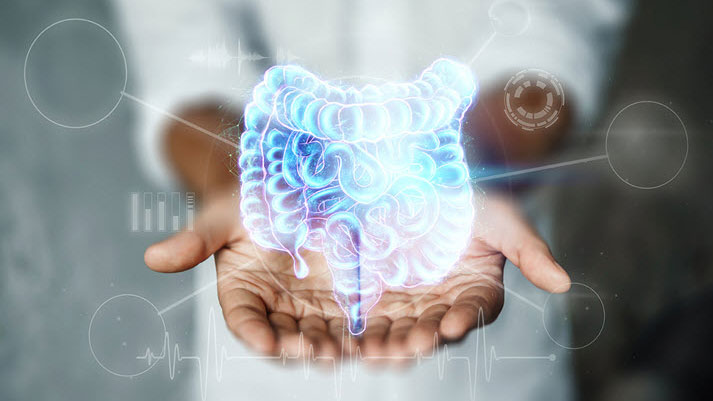
The human body hosts trillions of microorganisms residing primarily in the gastrointestinal tract, collectively known as the gut microbiome. Far from being passive inhabitants, these microscopic communities play an active role in dictating overall wellness. Modern medical research increasingly highlights the profound connection between gut bacteria and the immune system, revealing that a balanced microbiome is the cornerstone of robust health.
How Gut Bacteria Communicate with Immunity
A staggering percentage of the body’s immune cells reside directly within the gut wall, establishing a constant dialogue with resident bacteria. Beneficial microbes help train immune cells to distinguish between harmless substances and dangerous pathogens, preventing inappropriate inflammatory responses. When the microbiome is diverse and thriving, it creates a protective barrier along the intestinal lining that stops harmful bacteria from entering the bloodstream.
The Role of Fiber and Fermented Foods
Nurturing a healthy microbial ecosystem depends heavily on dietary choices, specifically the consumption of prebiotic fibers and fermented foods. Prebiotics act as fuel for beneficial bacteria, encouraging them to multiply and flourish. Incorporating foods like garlic, onions, oats, and leeks provides this vital nourishment. Additionally, adding live-culture items like yogurt, kefir, sauerkraut, and kimchi introduces beneficial strains directly into your digestive tract.
Lifestyle Factors That Disrupt Gut Flora
While food choices are paramount, daily habits can either protect or decimate your microbial populations. Chronic sleep deprivation, excessive intake of artificial sweeteners, sedentary behavior, and the overuse of antibiotics without medical necessity can wipe out beneficial gut species. Protecting your microbiome requires a holistic approach that prioritizes restorative sleep, regular movement, and minimizing processed ingredients.
The Gut-Brain Connection
Beyond immunity, the gut communicates continuously with the central nervous system through the vagus nerve, often referred to as the gut-brain axis. A flourishing microbiome produces neurotransmitters like serotonin, which influence mood, stress levels, and cognitive function. Maintaining digestive harmony therefore yields psychological benefits alongside physical defense.
Conclusion Your gut microbiome acts as an internal engine room driving immune efficiency and overall vitality. By feeding your beneficial bacteria the right nutrients and avoiding lifestyle hazards, you can cultivate a resilient digestive system that supports lifelong health.