
Injury recovery is rarely a perfectly straight line. There may be several good days followed by an unexpected increase in soreness. An activity that feels easy one week can expose a limitation the next. This variability often leaves people uncertain about whether they should rest, exercise, stretch, strengthen, or simply wait.
During the early stages of some injuries, protecting the affected area and modifying activity can be appropriate. As recovery progresses, however, restoring movement and gradually rebuilding physical capacity often become important parts of returning to normal function.
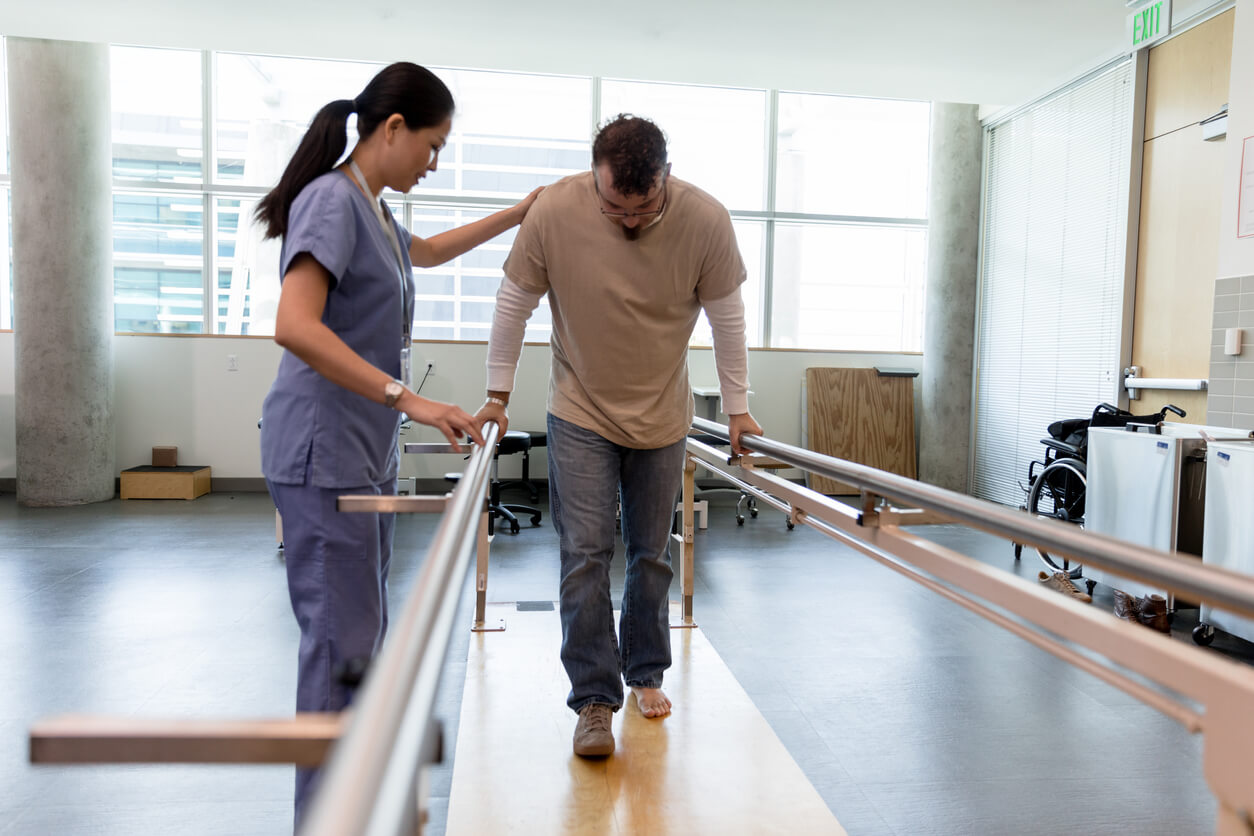
Someone who continues struggling with mobility, strength, or confidence after an injury may look for physical therapy near me to obtain a structured rehabilitation plan rather than trying to judge the appropriate exercise progression alone.
Recovery involves more than waiting for discomfort to disappear. The body also needs to regain the physical abilities that may have been reduced during the period of injury and inactivity.
Pain Can Improve Before Function Fully Returns
A sprained ankle may feel much better while balance and calf strength remain reduced.
A shoulder injury can become less painful while overhead strength is still limited.
Returning immediately to full activity simply because symptoms have decreased can expose these remaining deficits.
Rehabilitation attempts to close the gap between “it hurts less” and “it functions normally again.”
That distinction becomes particularly important for people returning to physically demanding jobs, sports, or hobbies.
Strength Needs to Be Rebuilt Gradually
When an injured area is used less for several weeks, strength can decline.
The solution is not necessarily to jump immediately into heavy exercise.
Progressive loading allows muscles and other tissues to adapt.
The appropriate starting point varies considerably. One person may begin with gentle movement and low resistance, while another can tolerate more challenging exercise.
A useful rehabilitation program changes as capacity improves.
Mobility and Strength Are Different
Someone can have good flexibility but poor strength, or excellent strength within a limited range of motion.
Both can affect function.
Reaching overhead, for example, may require adequate shoulder mobility as well as enough muscular control to stabilize the joint throughout the movement.
This is why rehabilitation often includes several types of exercise rather than focusing only on stretching or only on strengthening.
Balance and Coordination Can Be Overlooked
Lower-limb injuries frequently affect more than raw strength.
An ankle injury can change balance and confidence when walking on uneven ground.
A knee problem may alter the way someone climbs stairs, lands from a step, or changes direction.
Rehabilitation may therefore include balance, coordination, and task-specific movement alongside traditional strengthening.
The goal is to prepare the person for what they actually need to do outside the treatment setting.
Exercise Should Reflect Real-Life Demands
A desk worker, marathon runner, warehouse employee, and retired adult may all recover from the same type of injury, but their functional goals differ.
The exercise program should eventually reflect those demands.
Someone returning to manual work may need lifting and carrying tolerance.
A recreational athlete may require running, jumping, or rapid changes of direction.
Another person may primarily need confidence walking longer distances and using stairs.
This is where individualized progression becomes important.
Soreness Does Not Always Mean New Damage
One difficulty during rehabilitation is interpreting discomfort.
After a period of inactivity, exercise can create ordinary muscle soreness. At the same time, certain symptom changes may indicate activity needs to be modified.
People benefit from understanding what response is expected, how long post-exercise soreness may last, and which changes should be reported.
This reduces the tendency to either stop whenever anything feels uncomfortable or push through symptoms that genuinely require reassessment.
Progress Should Be Measured Functionally
Successful rehabilitation is not simply completing a certain number of sessions.
It is improving meaningful abilities.
Can you walk farther?
Can you climb stairs normally?
Can you lift an object without compensating?
Has balance improved?
Can you work through the day more comfortably?
These measures help determine whether exercise is transferring into real life.
Recovery from injury involves healing, but healing alone does not automatically restore performance.
Structured movement helps rebuild the strength, mobility, balance, endurance, and confidence that may have been lost during the period of pain, protection, or inactivity.
When progression matches the person’s condition and goals, rehabilitation can provide the bridge between simply feeling better and actually functioning better.